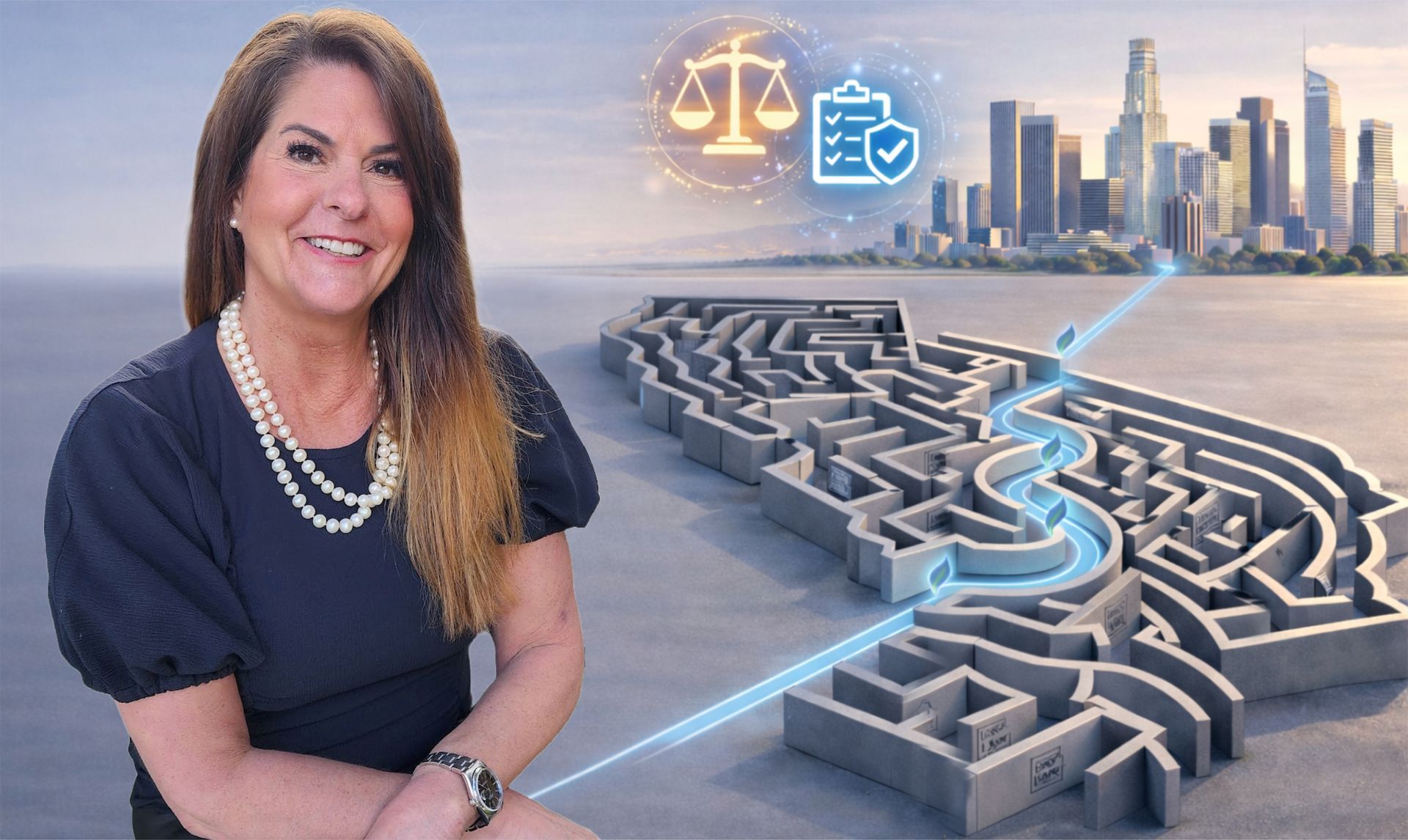
Why Compliance Has Become the Biggest Operational Risk for California Landlords
Why stronger operational systems are becoming essential for rental housing compliance in California.


Operating rental housing in California has always required attention to regulations, but the landscape has become significantly more complex in recent years.
State housing laws continue to evolve while cities implement additional ordinances and enforcement practices. Property owners today must navigate a combination of rent regulations, fair housing requirements, tenant notice procedures, and documentation standards that require careful operational oversight.
Across Los Angeles and many other California cities, housing departments are also increasing enforcement activity related to tenant protections, habitability standards, and fair housing compliance.
Administrative Systems Are Now a Major Compliance Factor
One of the most common challenges rental property owners face today involves administrative systems.
While many landlords naturally focus on maintaining their buildings physically, compliance increasingly depends on documentation practices. Lease agreements, tenant communications, legal notices, and organized record-keeping all play an important role in demonstrating compliance when disputes arise.
Even small administrative mistakes can sometimes create larger legal exposure if proper systems are not in place.
For many owners, the shift has been gradual. Compliance today is no longer limited to legal knowledge—it also depends on how well operational systems are structured.
Why Operational Structure Matters for Rental Property Owners
Because of this evolving regulatory environment, many rental housing providers are placing greater attention on how their day-to-day operations are organized.
Clear leasing procedures, documented tenant communication, and consistent compliance practices can help reduce preventable legal risk. These administrative structures have become an increasingly important part of responsible rental housing operations.
For property owners in Los Angeles and throughout California, staying informed about regulatory changes has become essential—especially in markets where housing laws and enforcement practices continue to evolve.
Industry Discussion at the Income Property Management Expo
Industry gatherings such as the Income Property Management Expo (IPME) bring housing professionals together to discuss these challenges and share best practices.
At this year’s event, SKY Properties CEO Kari Negri, who brings over 29 years of experience in property management in Los Angeles, will present a session titled:
Surviving California’s Compliance Maze: Why Self-Managing May Be Costing You More Than You Realize
Her session will explore common compliance pitfalls facing rental property owners and discuss operational systems that can help reduce preventable legal exposure.
Compliance Is Now an Operational Responsibility
For many landlords, the key takeaway is simple: compliance today is no longer just a legal issue.
It has become an operational one.
As regulations continue to evolve across California, many rental housing providers are reassessing how their leasing processes, documentation practices, and administrative systems are structured to better support long-term compliance.
For owners seeking professional guidance, working with experienced property management professionals in Los Angeles can help ensure that operational systems remain aligned with current regulatory expectations.
SKY Blog & Media